


embecta helps your patients with diabetes deliver their insulin correctly without extra effort or attention
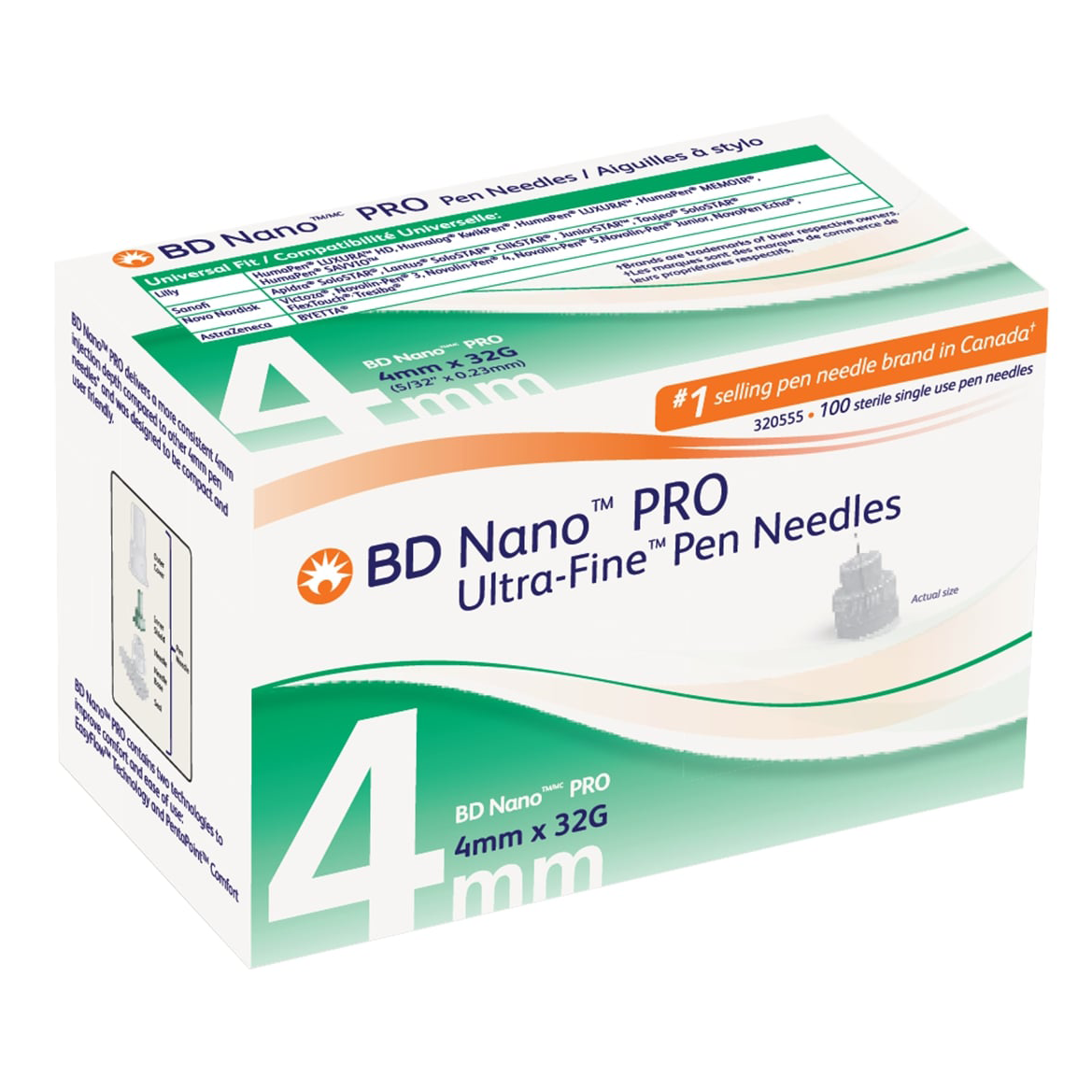


Despite your best efforts to educate patients around proper injection technique, it has been shown that most patients inject their insulin using a wide range of techniques and forces, resulting in injection technique errors. In a recent observational study, all patients surveyed were making at least 1 injection technique error, with 76% of them applying too much force against the skin while injecting, which can impact the proper subcutaneous delivery and absorption of insulin. 1
Contoured Base
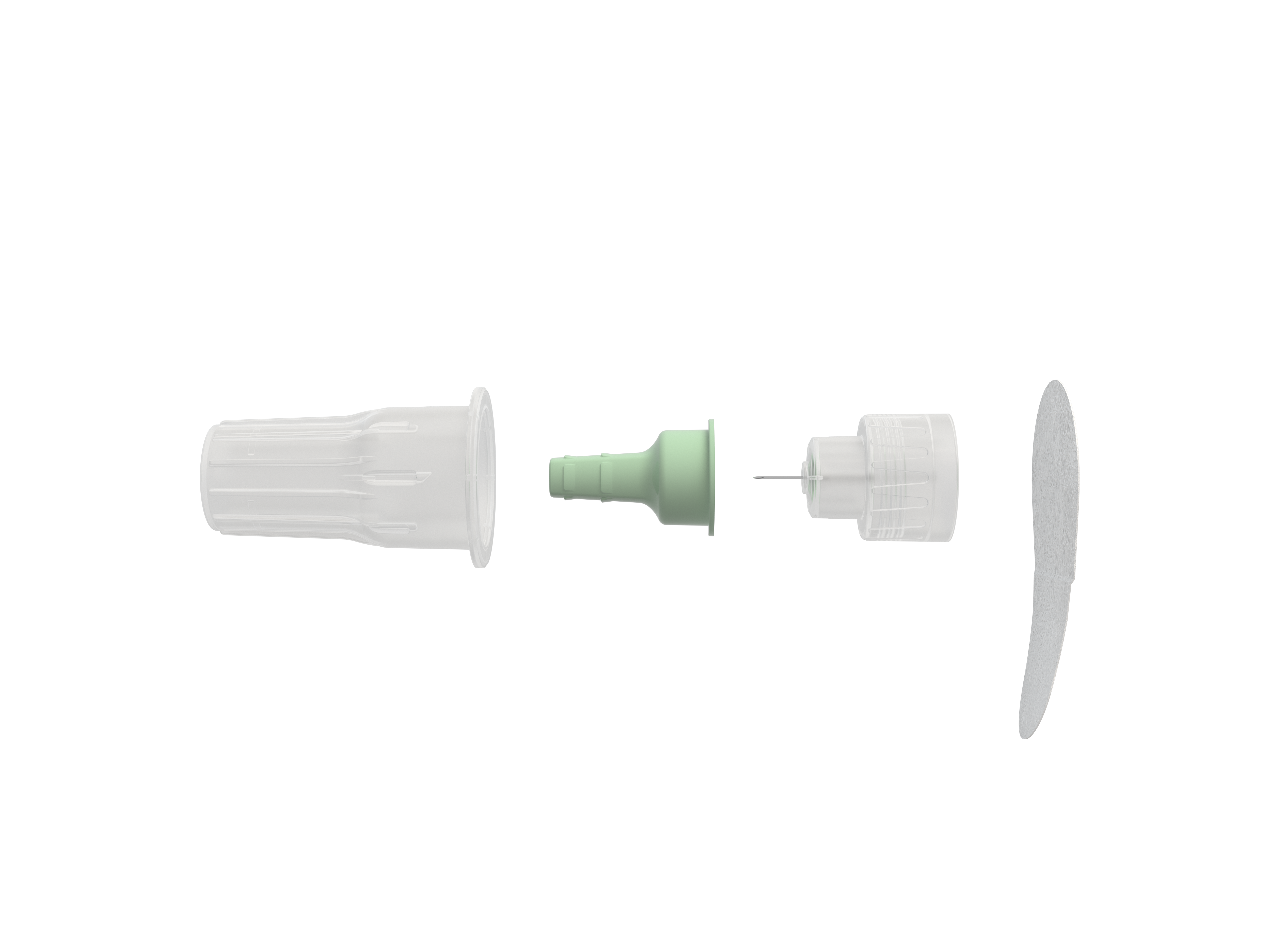
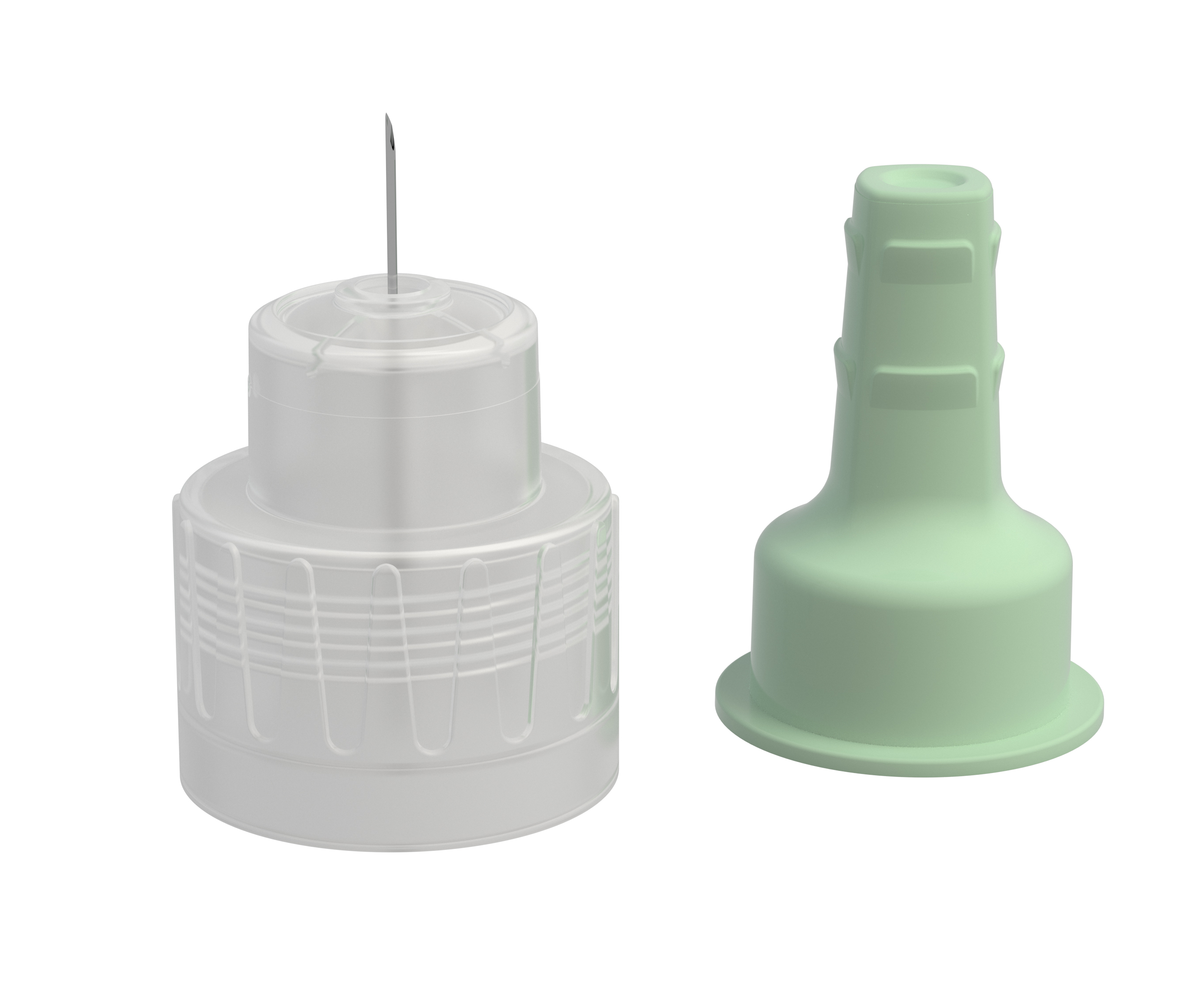
BD NanoTM PRO 4mm pen needle has a unique contoured needle base designed to correct a frequent patient injection technique error—using too much force when injecting. 1,2
Consistency
With the innovative contoured needle base, the BD NanoTM PRO 4mm Pen Needle is estimated to reduce intramuscular injection risk 2-8x vs other 4mm posted base pen needles. 2†
Confidence
The BD NanoTM PRO 4mm x 32G Pen Needle has ultra-thin wall technology, the highest inner diameter ISO standard for its category, and studies have shown that the increased flow of insulin results in greater ease of use and increased confidence that the complete dose has been delivered.3,4 ¥
Comfort
In a patient preference study, patients rated the BD NanoTM PRO 4mm Pen Needle, as more comfortable to use when compared to other 4mm posted base pen needles studied.5^
Single Use
Recommend the use of a new pen needle every time your patients inject. Pen needles are recommended to be used only once and are no longer sterile after that. There is an association between needle reuse and injection pain or bleeding. 6
Ease of Use
BD NanoTM PRO Pen Needles have an ergonomic design proven to make them easier to use from attachment through disposal. 5^
*N = 230 patients with diabetes across Canada. Participants answered a survey as part of the cross-sectional observational behavioral study. BD helped fund this study. † The study used in-silico probability model of needle penetration depth for posted-hub 4mm pen needles and average human tissue thickness measurements across a range of injection forces and recommended sites, pooled across gender and BMI. ¥198 patients with diabetes were included in this prospective, multicenter, randomized, open-label, 2- period, crossover study to evaluate differences in perceived thumb force and in confidence that the full dose of insulin was delivered, between the participants’ usual pen needle (PN) and the corresponding extra-thin wall (XTW) pen needle while using a manually operated insulin pen. Both outcomes were considered statistically significant if the 95% confidence interval (CI) for the mean VAS score was either positive (XTW preferred) or negative (current PN preferred). Significant differences favoring XTW pen needles were seen for perceived thumb force and confidence that the full dose was delivered by 28.4 mm (95% CI, 23.7-33.2), and 24.4 mm (95% CI, 19.7 – 29.1), respectively; (all, P < 0.001). ^226 patients with diabetes on insulin treatment were studied with a 150 mm visual analog scale (mean scores of >0 mm; clinically significant difference of ≥5 mm). demonstrated superiority vs. all comparator groups combined for feeling more comfortable throughout injection experience. [(P <0.05) (Mean +18.0 mm, 95% CI, +11.6 to +24.3 mm)]
References
1. Bari B, Corbeil MA, Farooqui H, et al. Insulin injection practices in a population of Canadians with diabetes: an observational study. Diabetes Ther. 2020;11(11):2595- 2609.
2. Rini CR, Roberts BC, Morel D, et al. Evaluating the Impact of Human Factors and Pen Needle Design o
3.Stainless steel needle tubing for the manufacture of medical devices —requirements and test methods. ISO 9626. 2016.
4. Aronson R, Gibney MA, Oza K, et al. Insulin pen needles: effects of extra-thin wall needle technology on preference, confidence, and other patient ratings. Clin Ther. 2013;35(7):923-933.
5. Whooley S, Briskin T, Gibney MA, et al. Evaluating the User Performance and Experience with a Re-Engineered 4 mm x 32G Pen Needle: A Randomized Trial with Similar Length/Gauge Needles. Diabetes Ther. 2019;10(2):697-712
6. Frid AH, et al. New Insulin Delivery Recommendations. Mayo Clinic Proceedings. 2016;91(9):1231–1255
Notes
* Excluding safety insulin syringes
† Children from 2 to 6 years old, extremely lean adults or patients with loose skin may need to use a pinch-up technique.
References
Notes
* Compared to conventional thin wall needles.
References
1. Hirsch L, Gibney M, Berube J, Manocchio J. Impact of a modified needle tip geometry on penetration force as well as acceptability, preference and perceived pain in subjects with diabetes. J Diabetes Sci Technol. 2012;6(2):328-335.
2. Aronson R, Gibney MA, Oza K, Bérubé J, Kassler-Taub K, Hirsch L. Insulin pen needles: effects of extra-thin wall needle technology on preference, confidence, and other patient ratings. Clin Ther. 2013;35(7):923-933.e4.
3. Arthritis Foundation. BD Nano 4 mm Pen Needle Ease of Use Commendation. http://www.arthritis.org/living-with-arthritis/tools-resources/ease-of-use/health-and-wellness/bd-nano-4mm-pen-needles.php
4. Gibney MA, Arce CH, Byron KJ, Hirsch LJ. Impact of a modified needle tip geometry on penetration force as well as acceptability, preference and perceived pain in subjects with diabetes. J Diabetes Sci Technol. 2012;6(2):328-335.
embecta, formerly part of BD. BD is the manufacturer of the advertised products.